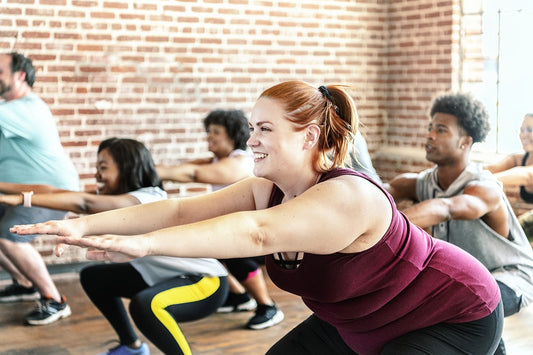
Buikspieroefeningen in staande positie: effectief en zonder apparatuur
Buikspieroefeningen in staande positie zijn een eenvoudige manier om een sterke core op te bouwen zonder crunches, matten of fitnessapparaten. Of je nu begint met een nieuw afslankplan of variatie wilt aanbrengen in je trainingsroutine, deze oefeningen passen in een druk schema, beschermen je rug en polsen en trainen je core zoals je die in het dagelijks leven gebruikt: staand. Hieronder vind je een trainingsschema zonder apparatuur dat je thuis in 10-15 minuten kunt doen voor een gezondere houding, een betere balans en een constante calorieverbranding.
Waarom buikspieroefeningen in staande positie werken
In tegenstelling tot traditionele oefeningen op de grond, daagt een staande core-training je romp bij elke herhaling uit door je romp te vragen rotatie te weerstaan, rotatie te controleren of kracht over te brengen tussen je heupen en schouders. Dat maakt de training functioneler en tijdsbesparend.
- Een hogere betrokkenheid van het hele lichaam: je bilspieren, rug en heupen ondersteunen de buikspieren, waardoor de bewegingskwaliteit en het totale energieverbruik toenemen, wat gewichtsverlies bevordert.
- Goed voor rug en polsen: Geen crunches of plankoefeningen betekent minder belasting voor mensen met gevoelige polsen, nek of onderrug.
- Betere houding en balans: Staand oefenen leert je je ribben boven je bekken te plaatsen, waardoor je lichaamshouding verbetert en de resultaten van je figuurvorming zichtbaar beter zichtbaar worden.
- Gemakkelijk en zonder apparatuur: u kunt overal oefenen – thuis, op kantoor of buiten – waardoor consistentie makkelijker te bereiken is, wat essentieel is voor uw stofwisseling en gewichtsbeheersing.
Essentiële formulieren voor veiligere en effectievere resultaten
- Neem de juiste houding aan: voeten op heupbreedte, knieën licht gebogen, ribbenkast boven het bekken. Stel je voor dat je zachtjes een rits opent van je bekkenbodem naar je navel, zonder je adem in te houden.
- Adem bewust in: Adem in ter voorbereiding; adem uit door getuite lippen tijdens de inspanning om diepe kernstabiliteit te creëren.
- Beweeg gecontroleerd: het tempo is belangrijk. Twee seconden uit, één seconde vasthouden, twee seconden terug is een goede basis voor rotatie- en anti-rotatiebewegingen.
- Train gelijkmatig: doe beide kanten om onevenwichtigheden te voorkomen die de vooruitgang kunnen belemmeren en de onderrug kunnen irriteren.
- Bouw het geleidelijk op: verhoog het aantal herhalingen, voeg een pauze toe op het moment dat de spanning het hoogst is, of verleng de tijd dat de spanning behouden blijft voordat je het gewicht verhoogt.
Heb je weinig tijd? Probeer dan 2-3 oefeningen als een korte sessie. Voor meer tijdbesparende ideeën, bekijk onze buikspieroefeningen voor opties die je in je dag kunt inpassen.
De buikspieroefening staand, zonder apparatuur
Doe deze oefening 2-3 keer per week. Begin met 1 ronde en bouw dit op naar 2-3 rondes. Neem indien nodig 30-45 seconden rust tussen de oefeningen.
1) Staande knie-oefeningen
- Hoe: Ga rechtop staan met je handen omhoog alsof je een lichte bal vasthoudt. Trek je rechterknie naar je handen terwijl je je ribbenkast naar je bekken trekt. Keer terug naar de startpositie en herhaal de oefening.
- Herhalingen: 12-15 per kant
- Focus: Adem uit tijdens de knieheffing om de onderste buikspieren te voelen aanspannen zonder je rug te ronden.
2) Anti-rotatie pers-uit (zonder band)
- Hoe: Ga zijdelings staan, alsof je van rechts een denkbeeldige 'trekkracht' voelt. Vouw je handen voor je borst, duw ze recht naar voren, houd dit een seconde vast en keer terug naar de startpositie. Weersta elke draaiing van je romp.
- Herhalingen: 10-12 langzame herhalingen per kant
- Focuspunt: Houd je heupen recht en je ribben op elkaar – dit activeert de diepe kernspieren.
3) Hout hakken vanuit staande positie (lichaamsgewicht)
- Hoe: Verstrengel je vingers. Begin hoog boven je rechter schouder; "hak" diagonaal naar je linker heup door je romp en heupen te draaien. Keer gecontroleerd om.
- Herhalingen: 10-12 per kant
- Focus: Beweeg vanuit je romp, niet alleen vanuit je armen. Houd je rug lang.
4) Schuine buikspieroefening en zijwaartse crunch
- Hoe: Zet je voeten iets breder dan je heupen. Strek je rechterarm boven je hoofd terwijl je je gewicht naar je linkervoet verplaatst. Buig zijwaarts voorover en breng je rechterelleboog naar je rechterheup. Neem de startpositie aan en herhaal.
- Herhalingen: 12-15 per kant
- Focus: Denk aan "eerst lang, dan krachtig"—verleng de spieren vóór elke samentrekking.
5) Marching Hollow Hold
- Hoe: Plaats je handen op je ribben en bekken om de juiste uitlijning te voelen. Kantel je bekken lichtjes naar achteren, houd je ribben naar beneden. Beweeg langzaam op de plaats zonder je steun los te laten.
- Tijdsduur: 45-60 seconden
- Let op: als je onderrug hol trekt, corrigeer dan je houding en verkort de pas.
6) Rotatiebeweging met hielpop
- Hoe: Zet je voeten op heupbreedte. Draai je romp naar links terwijl je met je rechterhiel omhoog komt en je armen naar voren strekt. Keer terug naar het midden en draai dan naar rechts terwijl je met je linkerhiel omhoog komt.
- Herhalingen: 10-12 per kant
- Focus: Vloeiende, elastische rotatie die begint bij de heupen en doorloopt tot in de romp.
7) Draagvermogen koffer (geen gewicht)
- Hoe: Stel je voor dat je een zware tas in je rechterhand vasthoudt. Leun niet naar voren. Ga rechtop staan en span je aan gedurende 20-30 seconden. Wissel van kant.
- Tijd: 20-30 seconden per kant
- Doel: Deze oefening tegen zijwaartse buiging is gericht op de schuine buikspieren en de houdingsspieren.
Programmeertips voor metabolisme en gewichtsbeheer
- Combineer met lichte cardio: voeg een stevige wandeling van 5-10 minuten toe voor of na de training om de hartslag te verhogen en het dagelijkse energieverbruik te ondersteunen.
- Gebruik intervaltraining: 40 seconden werken, 20 seconden rust. Dit houdt de training efficiënt en verhoogt je stofwisseling op een milde manier.
- Combineer gewoontes: consistentie is belangrijker dan intensiteit. Veel Shapely-gebruikers combineren deze snelle routine met hun dagelijkse afslankpleisters om de gewoonte te verankeren in een breder afslankplan .
- Voeding en herstel: streef naar eiwitten bij elke maaltijd, drink voldoende water en slaap 7-9 uur om de eetlust te reguleren en het herstel te bevorderen.
Veelvoorkomende problemen oplossen
- Pijn in de onderrug: Beperk de bewegingsamplitude, doe het rustiger aan en controleer de uitlijning van de ribbenkast ten opzichte van het bekken. Vervang grotere draaibewegingen door anti-rotatiehoudingen.
- Spanning in de nek: Houd de schouders laag en weg van de oren. Adem volledig uit tijdens de inspanning om aanspanning in de nek te voorkomen.
- Dominantie van de heupbuigspieren: Bij knieheffingen en marsbewegingen, stel je voor dat je eerst vanuit de onderste buikspieren tilt en houd de beweging klein.
Hoe je je voortgang kunt bijhouden
- Prestatie: Voeg herhalingen toe, verleng de houdingen of behoud een perfecte uitvoering bij lichte vermoeidheid.
- Houding en comfort: merk op hoe gemakkelijker u kunt staan, hoe minder een holle rug u hebt en hoe soepeler uw bewegingen verlopen tijdens dagelijkse bezigheden.
- Lichaamsmaten: Gebruik taille- en heupomtrekmetingen of maak elke 2-4 weken voortgangsfoto's, onder vergelijkbare lichtomstandigheden en in dezelfde houding.
Als buikvet hardnekkig is, achterhaal dan eerst de belangrijkste oorzaken – slaap, stress, hormonen of gewoontes – voordat je alles in één keer verandert. Doe onze korte buikvetquiz om te bepalen wat de volgende stappen zijn.
Waar Shapely een plekje vindt
Buikspieroefeningen in staande positie zijn een belangrijk onderdeel van een duurzame routine. Een consistent dagelijks ritme – voedzame maaltijden, regelmatige beweging, bewust omgaan met stress en slimme hulpmiddelen zoals de Shapely afslankpleister – kan je helpen om op koers te blijven. Geen enkel hulpmiddel vervangt de basisprincipes, maar het combineren van kleine gewoontes versterkt de resultaten voor een beter gevormd lichaam en gewichtsbeheersing op de lange termijn.
Kortom
Je hebt geen apparatuur, vloerruimte of lange trainingen nodig om je core te versterken. Voer de bovenstaande oefeningen 2-3 keer per week uit, adem gecontroleerd en bouw de intensiteit geleidelijk op. Combineer deze oefeningen met ondersteunende dagelijkse gewoonten en je houding, stabiliteit en zelfvertrouwen zullen volgen – één staande herhaling per keer. Voor meer tijdbesparende ideeën die je in je week kunt inpassen, bekijk onze buikspieroefeningen .